Vice Chairman of the Hanoi People's Committee Nguyen Manh Quyen signed and issued Plan No. 358/KH-UBND on December 9, 2024, outlining the implementation of the "Project on Science Development and Technology Application and Transfer to Promote Circular Economy in Agriculture by 2030" within Hanoi.
The plan aims to implement tasks and solutions outlined in the "Project on Developing Science, Technology Application, and Transfer to Promote Circular Economy in Agriculture by 2030," issued under Decision No. 540/QĐ-TTg dated June 19, 2024, by the Prime Minister.
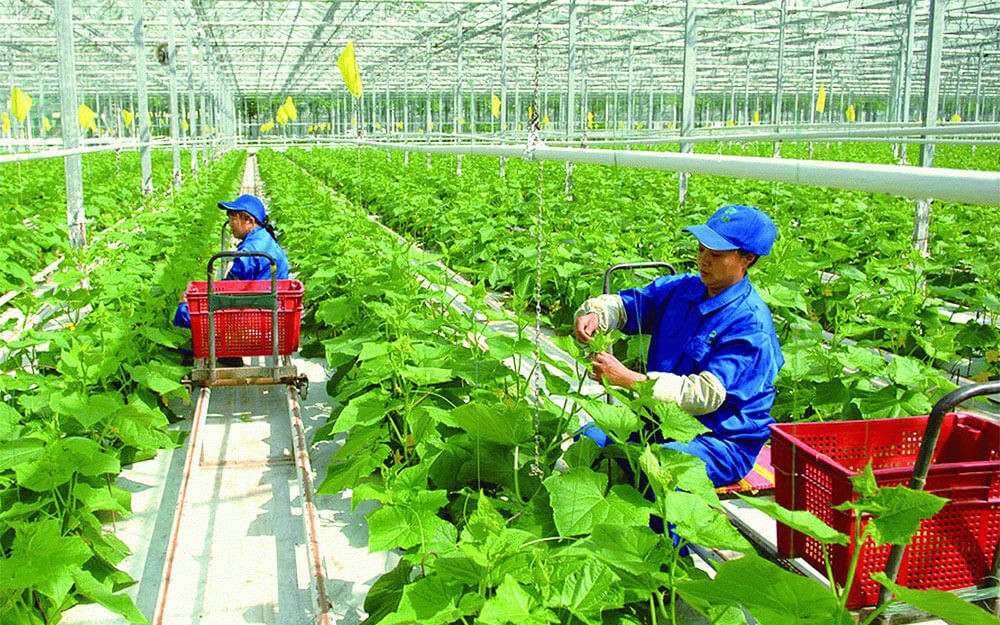
It is tailored to align with Hanoi's specific conditions and leverages the city's inherent strengths to advance circular agriculture (also known as sustainable agriculture). The initiative focuses on fostering green and sustainable agricultural development, enhancing awareness, and ensuring the active participation of all levels, sectors, organizations, and individuals.
Key Objectives
By 2030:
At least 20% of agricultural science and technology initiatives will be researched, applied, and transferred to support circular agriculture development. Agricultural production waste will be collected, processed, recycled, and reused in compliance with regulations. Stakeholders in agriculture will gain access to waste management practices, recycling technologies, and procedures for utilizing agricultural by-products. A market for circular agricultural products will be established and progressively integrated into consumption networks.
Implementation Strategies
Enhancing Scientific Research and Technology Development
Foster the application of scientific advancements, technical innovations, and advanced production processes to support circular agriculture. Promoting Technology Transfer
Accelerate the dissemination of technologies that facilitate circular agricultural practices. Developing Markets for Circular Agricultural Products
Create and expand consumption channels for products derived from circular agricultural practices. Fostering Collaboration
Strengthen partnerships in the development of circular agriculture. Raising Awareness
Conduct communication campaigns to improve understanding and capacity for adopting circular economy principles in agriculture.
Organizational Framework
Department of Agriculture and Rural Development:
Leads the plan's implementation in coordination with relevant departments and district-level People's Committees. Tasks include: Reviewing and proposing mechanisms and policies to incentivize circular agriculture. Promoting technology transfer and advising on the issuance of technical standards for circular agricultural development. Collaborating with the Ministry of Agriculture and Rural Development to develop markets for circular agricultural products. Partnering with the Department of Science and Technology to initiate research and applications in support of circular agriculture. Department of Industry and Trade:
Responsible for marketing and promoting circular agricultural products through Hanoi's trade promotion programs. Key activities include: Coordinating with the Ministry of Industry and Trade to expand markets for these products. Partnering with relevant agencies to enhance regional connectivity, facilitate trade promotion, and support product distribution. Encouraging the development of supply chains and trade infrastructure to broaden market access.
Implementation Principles
The plan's implementation must adhere to the tasks and solutions approved under the Prime Minister's decision while ensuring alignment with Hanoi's practical conditions. Efforts must emphasize scientific rigor, practicality, efficiency, and cost-effectiveness, avoiding waste and superficiality. Active participation from all stakeholders—government, sectors, organizations, and individuals—is critical to achieving the plan's objectives.