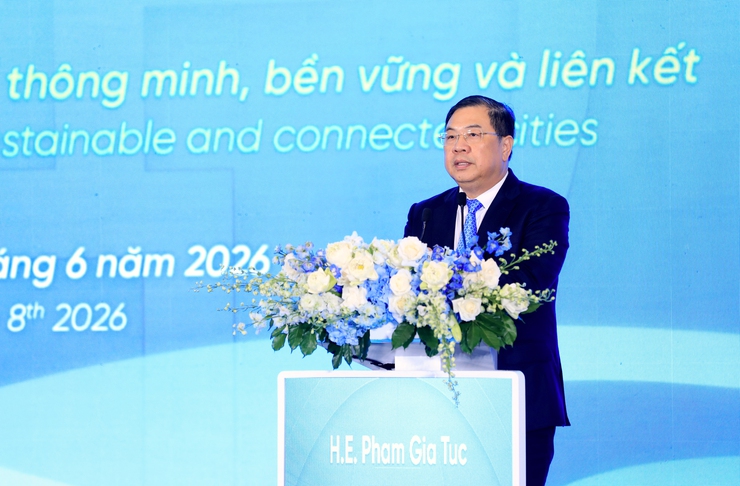
 Permanent Deputy Prime Minister Pham Gia Tuc speaks at the ASEAN City Leaders Conference on June 8. Photo: Le Hai
According to the Permanent Deputy Prime Minister, ASEAN is entering a pivotal period in its efforts to realize the ASEAN Community Vision 2045 amid profound global changes. Intensifying strategic competition, the rapid development of artificial intelligence and emerging technologies, and the impacts of non-traditional security challenges require ASEAN to strengthen its resilience.
In this context, ASEAN cities, where populations, resources, technology, innovation, and new growth drivers are concentrated, represent one of the region's most important forces. The resilience of cities forms the foundation of both national resilience and ASEAN's collective resilience.
Alongside significant opportunities, ASEAN cities are also facing increasingly complex challenges. From climate change and growing pressure on infrastructure and public services to the demands of green and digital transitions and the far-reaching impacts of new technologies, these challenges are cross-sectoral and transboundary in nature.
ASEAN's goal by 2045 is to build "a community capable of addressing future urbanization challenges through the use of advanced technologies and modern infrastructure while promoting the development of smart and sustainable cities."
"To achieve this goal, ASEAN cities cannot act alone. They need the support and partnership of all cities and urban centers across ASEAN. Strengthening connectivity, sharing experiences, mobilizing resources, and promoting substantive cooperation among ASEAN cities should become a key priority," Tuc said.
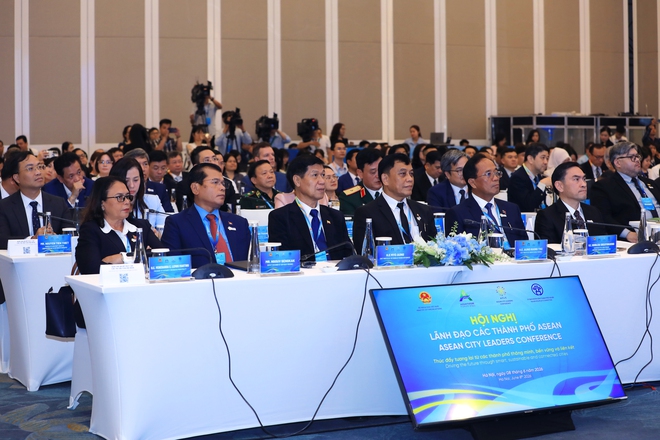 Delegates attend the conference. Photo: Le Hai
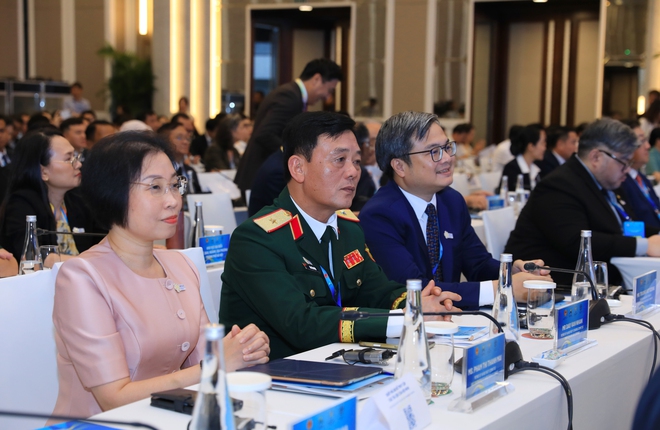 Delegates attend the conference. Photo: Le Hai
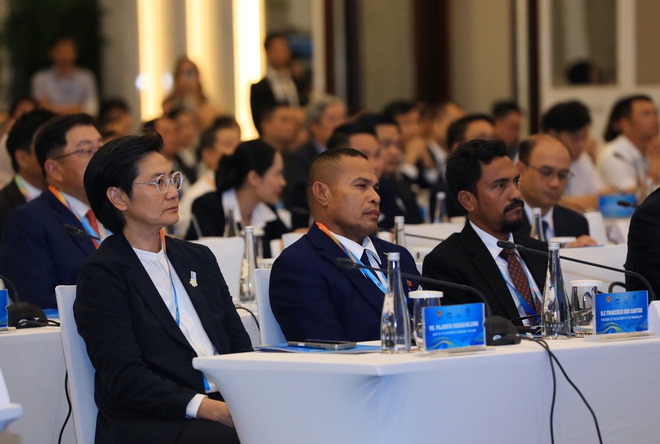 Delegates attend the conference. Photo: Le Hai
ASEAN has always been Vietnam's strategic choice and top priority in its foreign policy. More than 30 years after joining ASEAN, Vietnam, with a spirit of proactiveness and responsibility, remains committed to working closely with member states to build a prosperous, inclusive, sustainable ASEAN that places its people at the center of development.
Vietnam is entering a new era of development with the ambition of achieving double-digit economic growth during the 2026-2030 period. To realize this goal, the country is implementing three strategic breakthroughs simultaneously: institutional reform, the development of high-quality human resources, and the construction of modern infrastructure, with cities serving as the leading growth engines.
The Vietnamese Government has identified green, sustainable, and people-centered urban development as a consistent strategic direction closely linked to regional integration and connectivity. Based on its urban development experience, Vietnam sees digital transformation, green growth, and regional connectivity not as separate goals but as mutually reinforcing pillars that improve people's quality of life and strengthen resilience against future challenges.
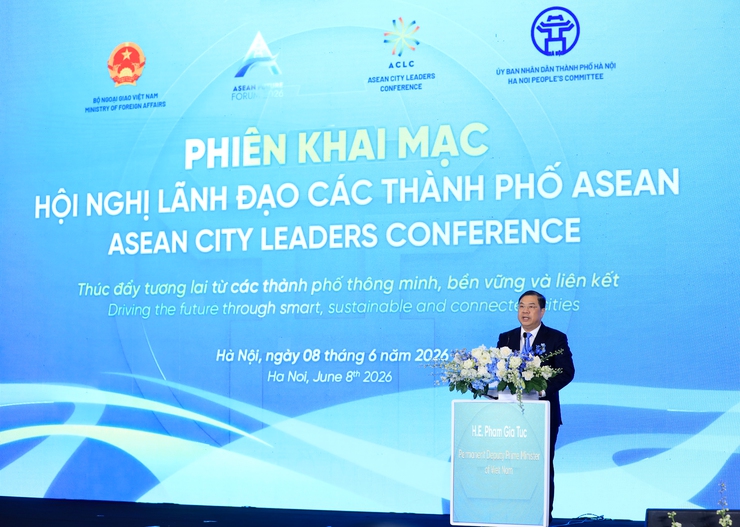 Permanent Deputy Prime Minister Pham Gia Tuc said ASEAN cities need the support and partnership of all urban centers across the region. Photo: Le Hai
Based on this perspective, Tuc proposed four major directions for discussion at the conference.
First, building resilient and people-centered cities. ASEAN cities need to shift from a reactive mindset to a proactive approach to the future, moving from addressing isolated problems to creating highly resilient development ecosystems capable of withstanding emerging challenges.
Second, mobilizing and connecting resources for urban development. To effectively implement the ASEAN Connectivity Strategic Plan 2026-2035, cities should proactively develop high-quality projects and strengthen cooperation to access financial resources, technology, knowledge, and governance expertise from partners.
Third, building a knowledge and innovation network among ASEAN cities. One of ASEAN's greatest strengths lies in the diversity of its urban development models and experiences. The region includes Singapore with its world-leading innovation ecosystem, Luang Prabang with its balance between development and heritage preservation, Jakarta as a megacity of tens of millions of residents, and Dili with its youthful but ambitious development journey.
ASEAN should transform this diversity into a shared source of knowledge through experience-sharing, human resource training, pilot cooperation, and the implementation of concrete projects.
Fourth, turning commitments into action and tangible results. The initiatives discussed today should be translated into cooperation programs with clear objectives, practical implementation mechanisms, and meaningful benefits for citizens.
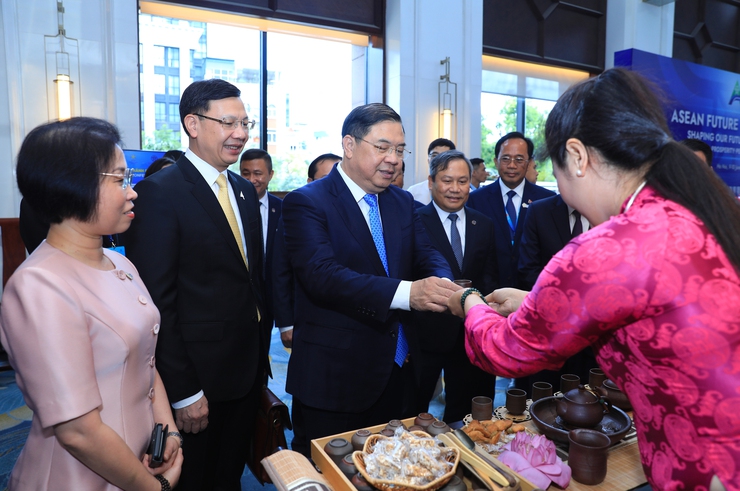 Permanent Deputy Prime Minister Pham Gia Tuc, Chairman of the Hanoi People's Committee Vu Dai Thang, and delegates visit an exhibition space showcasing Hanoi cuisine during the ASEAN City Leaders Conference. Photo: Pham Linh
Quoting the Vietnamese proverb, "One tree alone cannot make a hill, but three trees together can form a high mountain," Tuc said the values that have underpinned ASEAN's strength over nearly six decades are solidarity, cooperation, and shared development.
"I am confident that, with a spirit of cooperation and shared responsibility, ASEAN cities will continue strengthening connectivity, sharing experiences, and jointly creating new drivers of growth, making practical contributions to building a resilient, sustainable, and people-centered ASEAN Community. That spirit should spread even further, beginning here in Hanoi today," the Permanent Deputy Prime Minister emphasized.